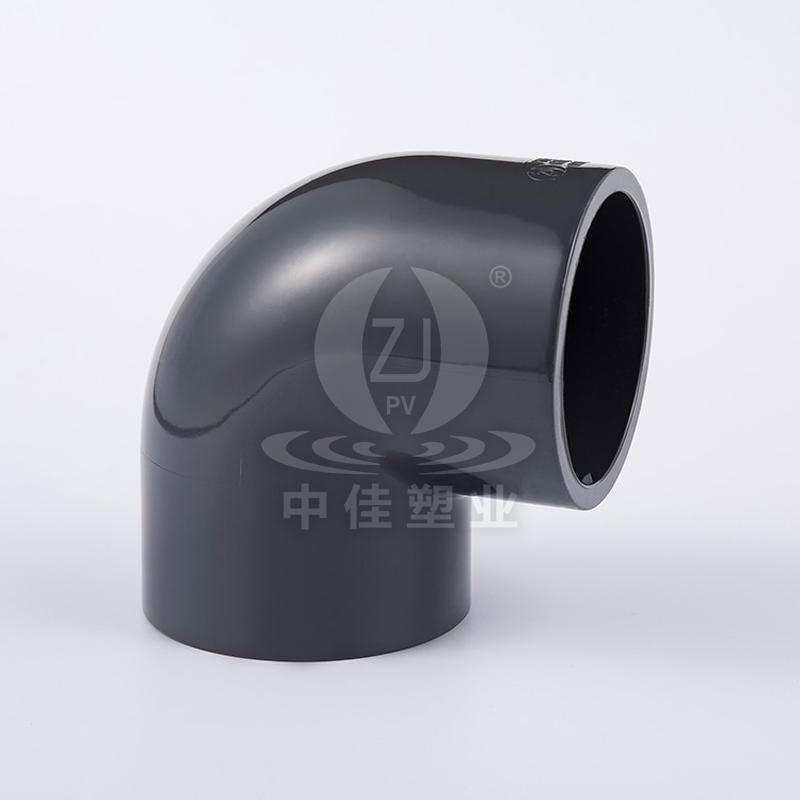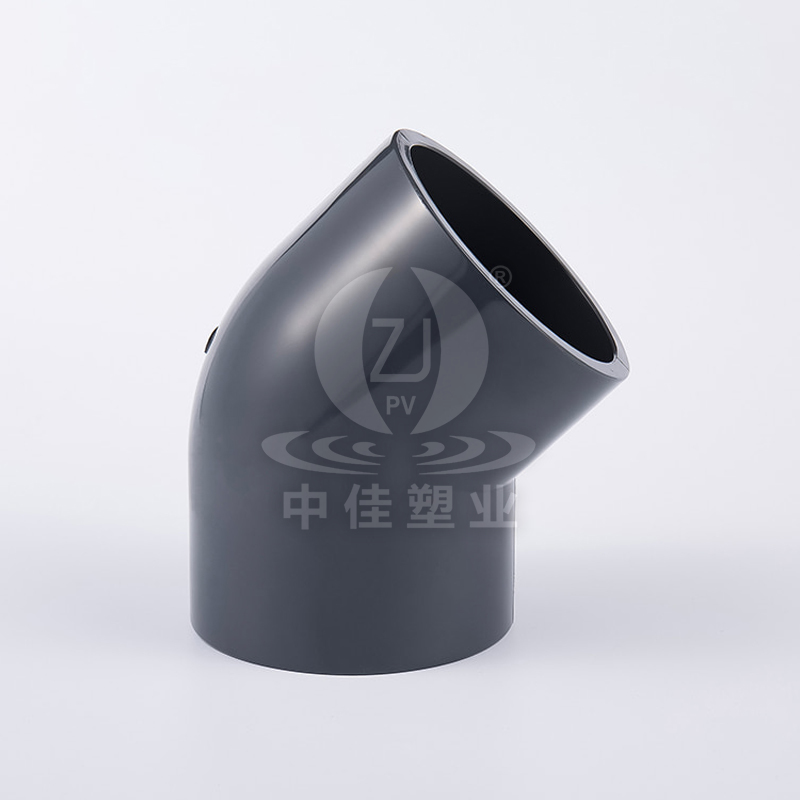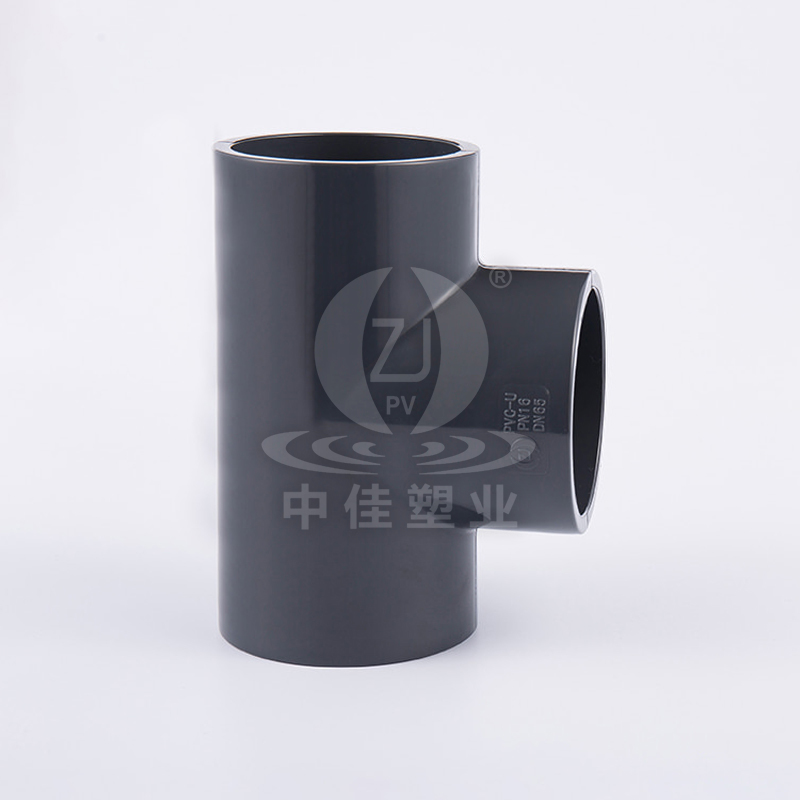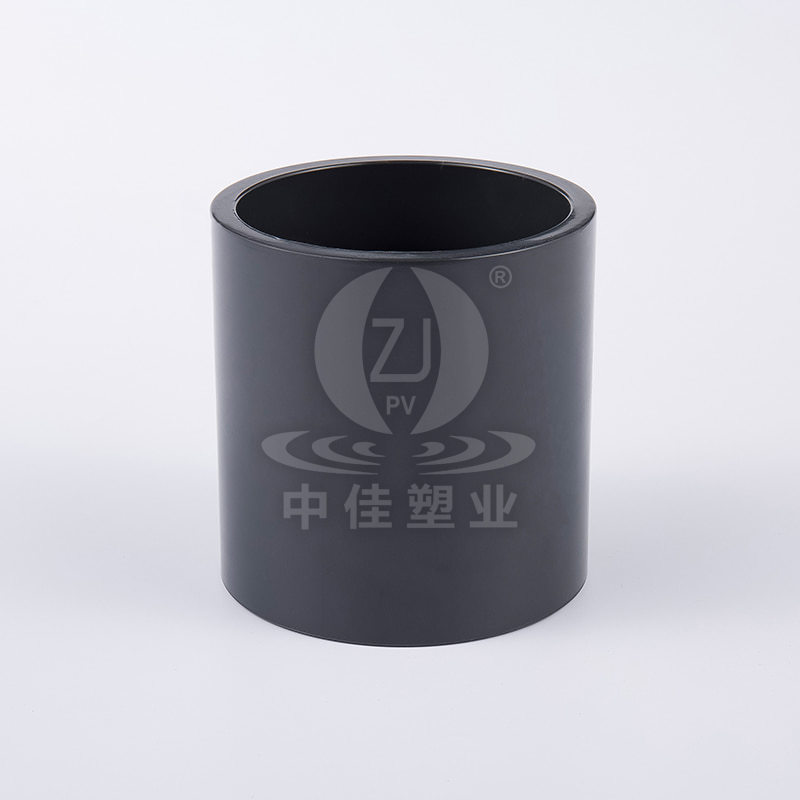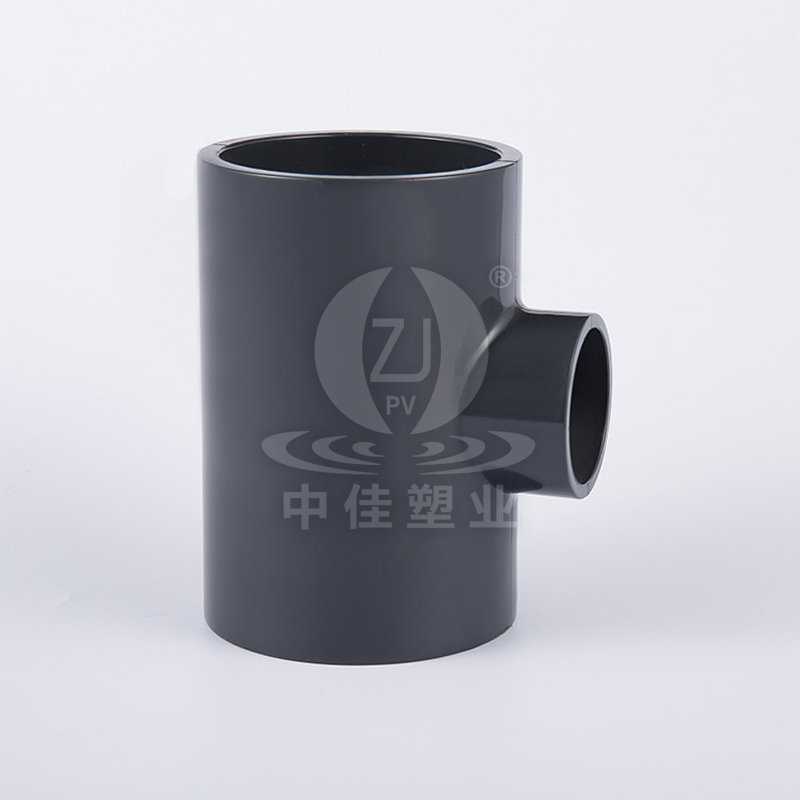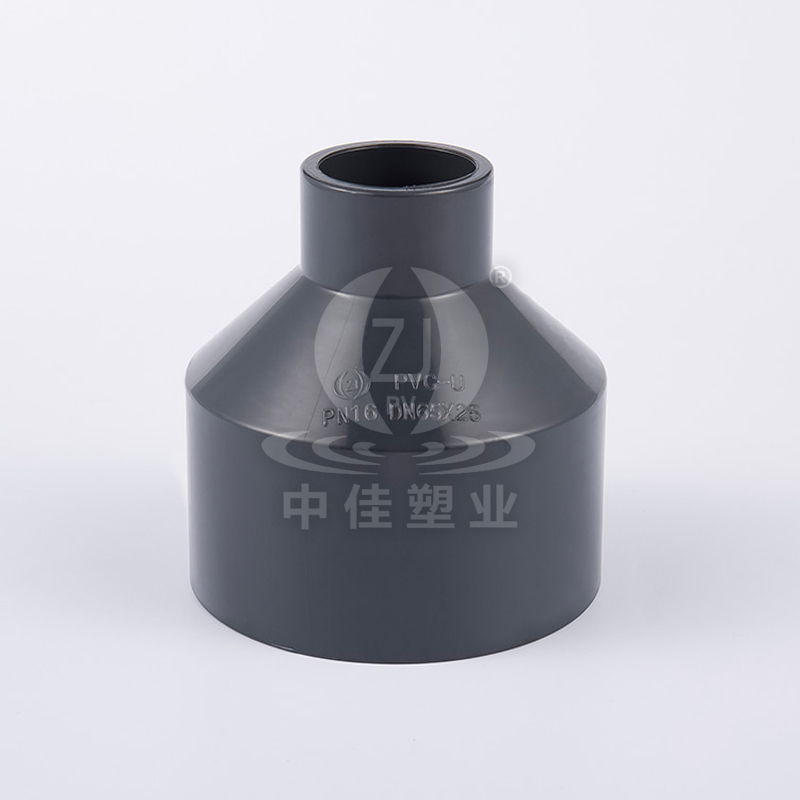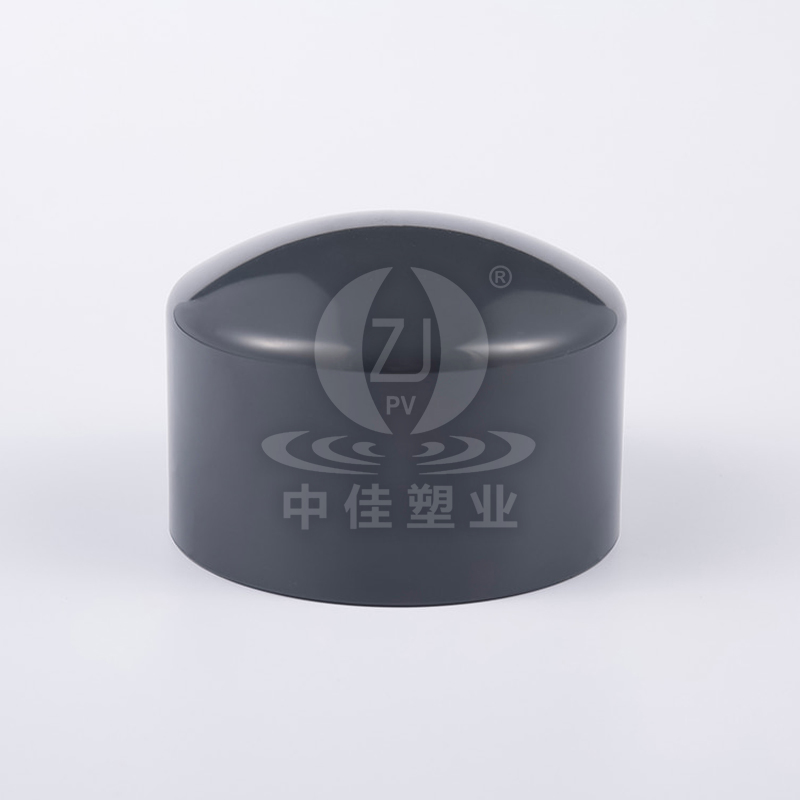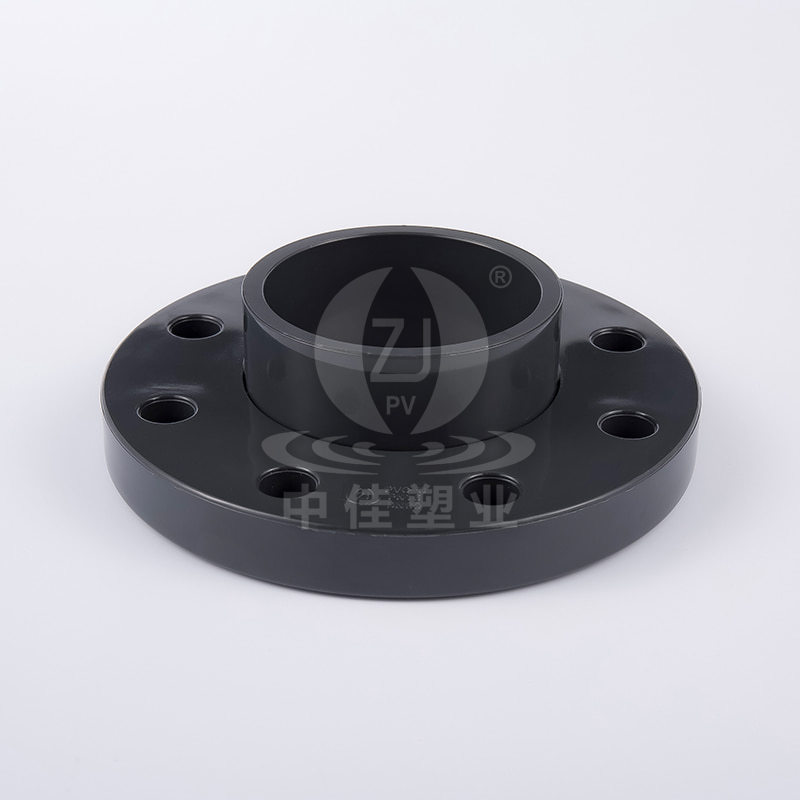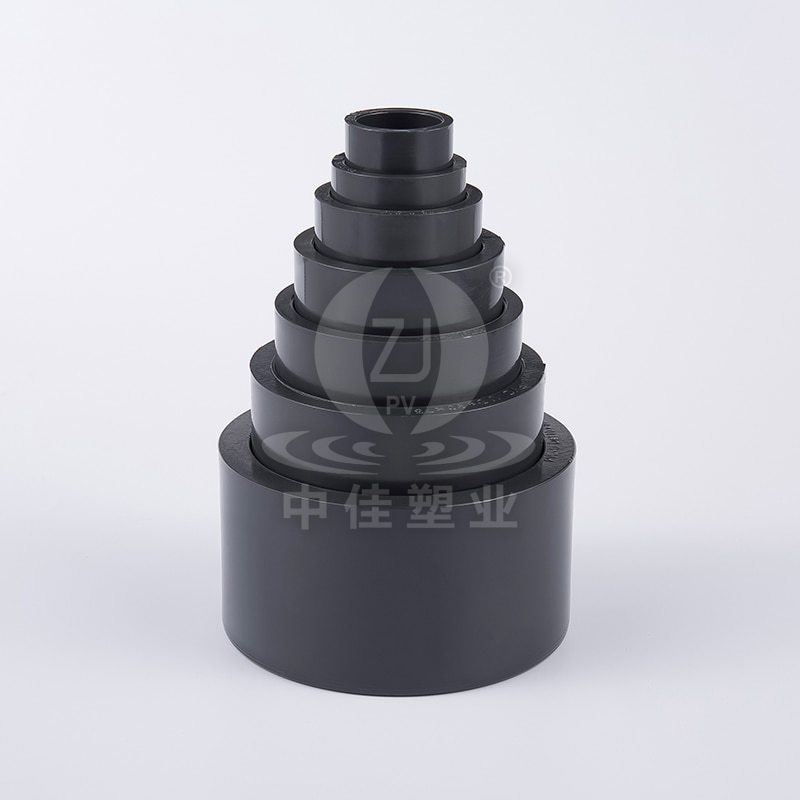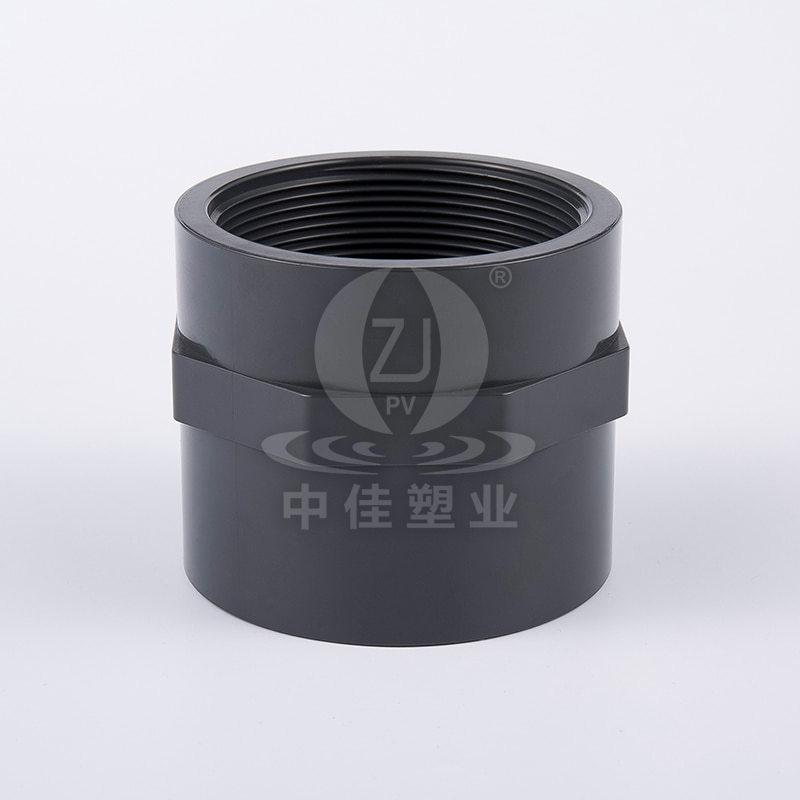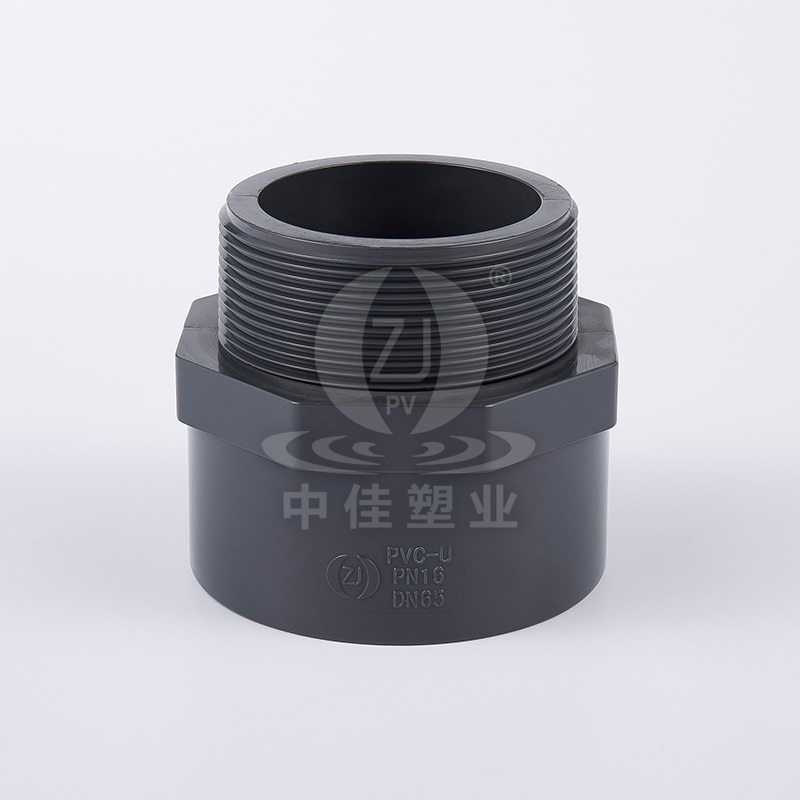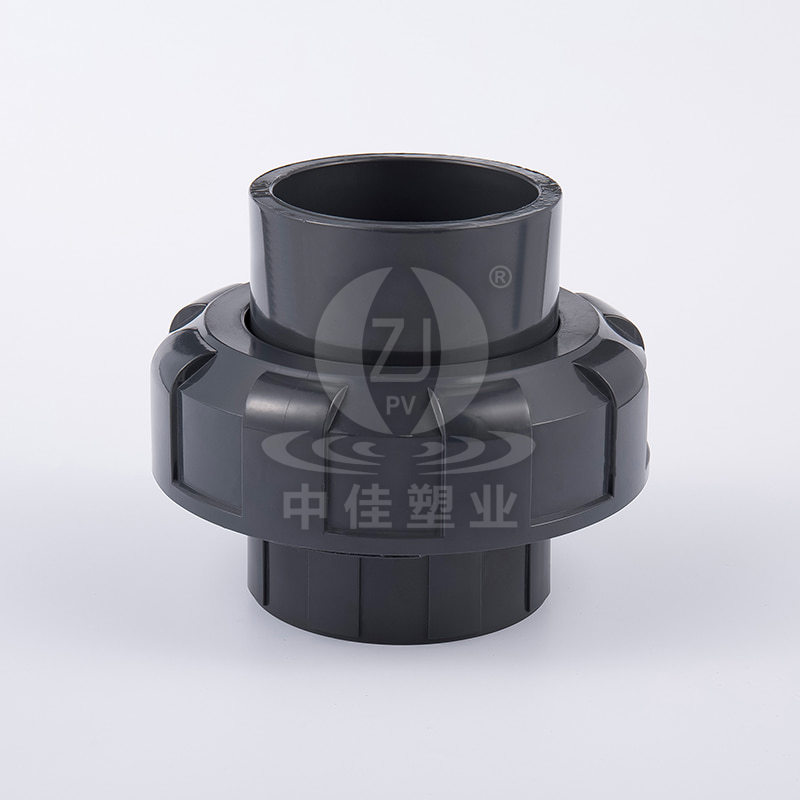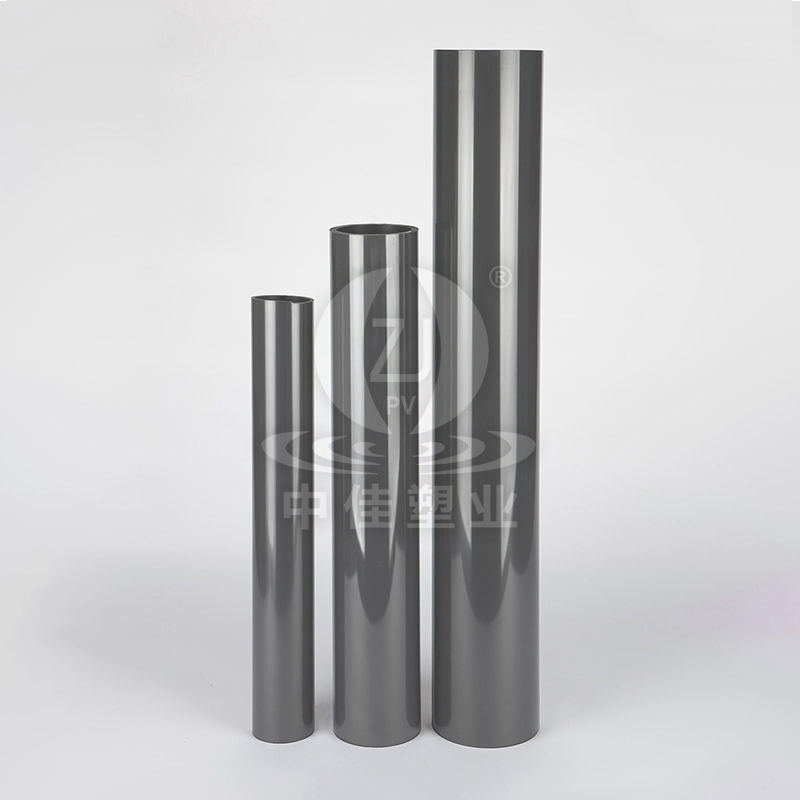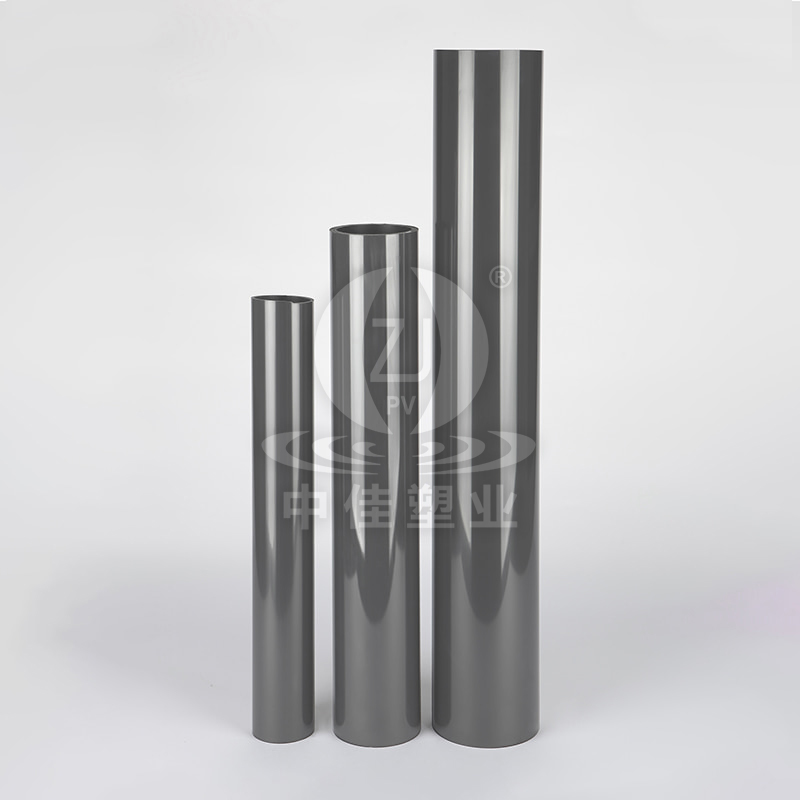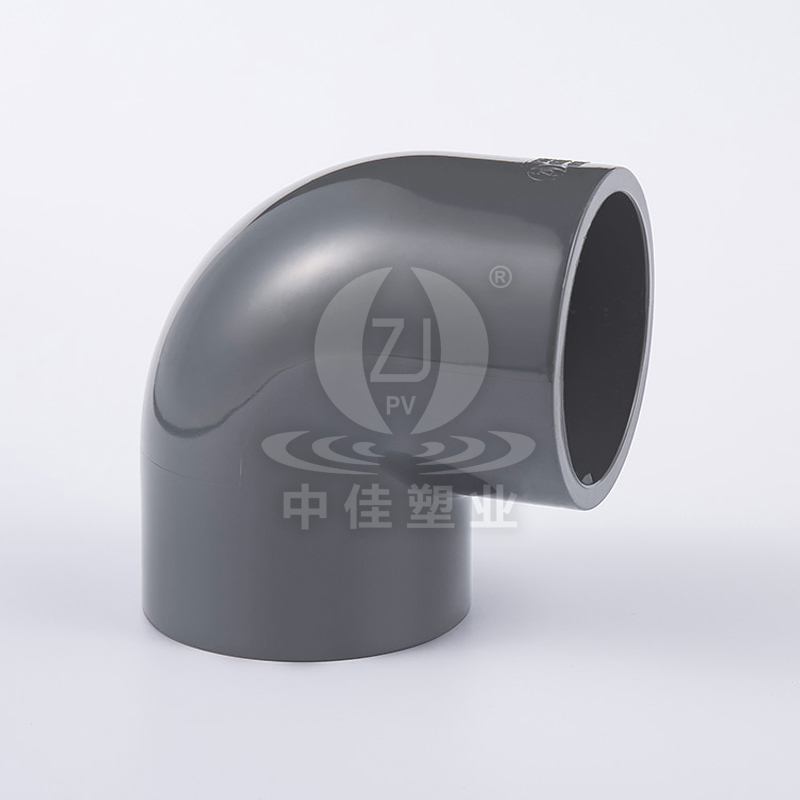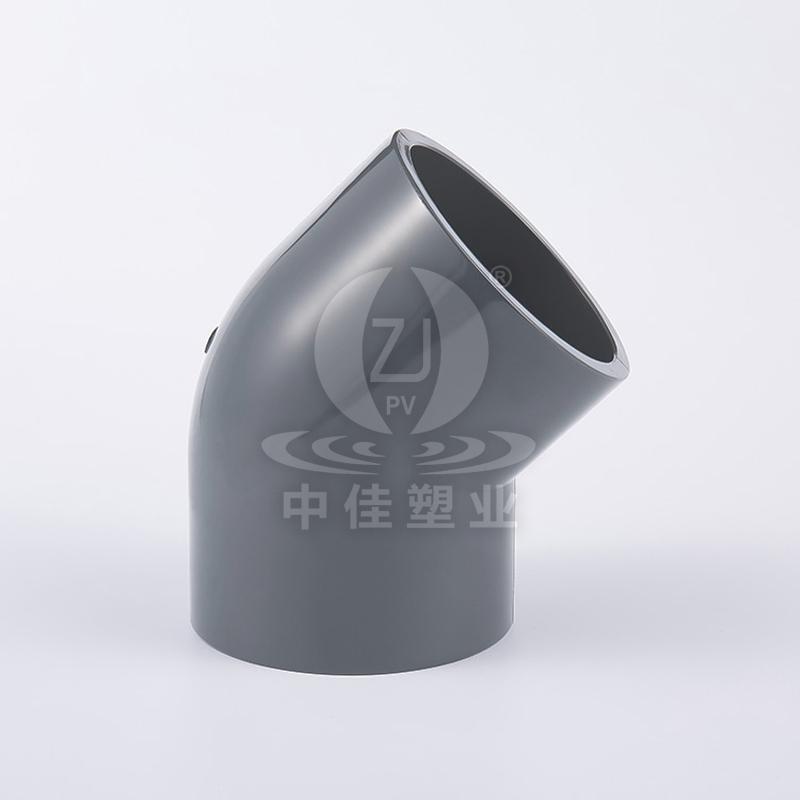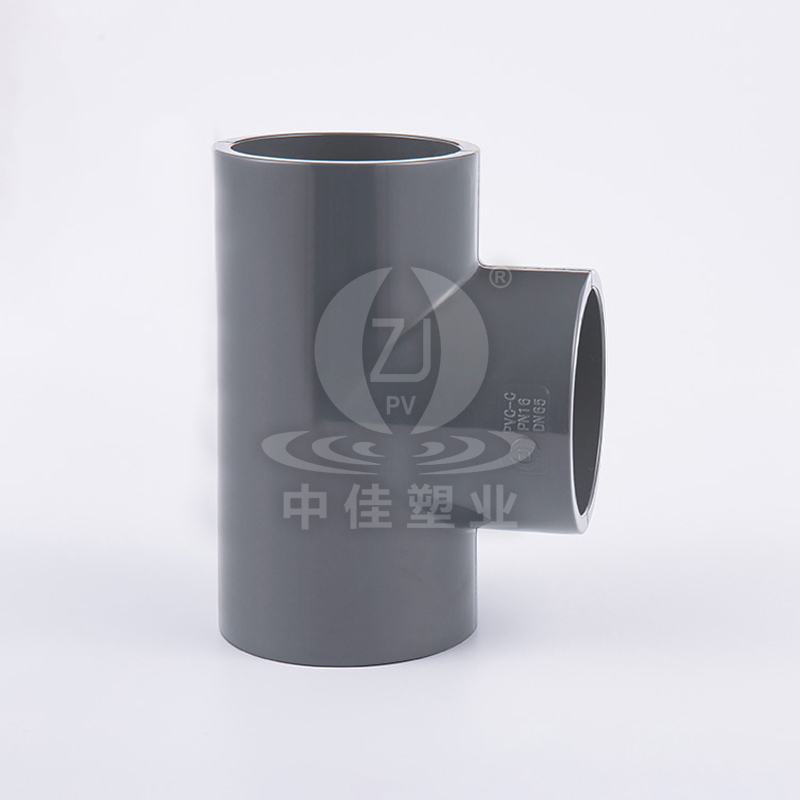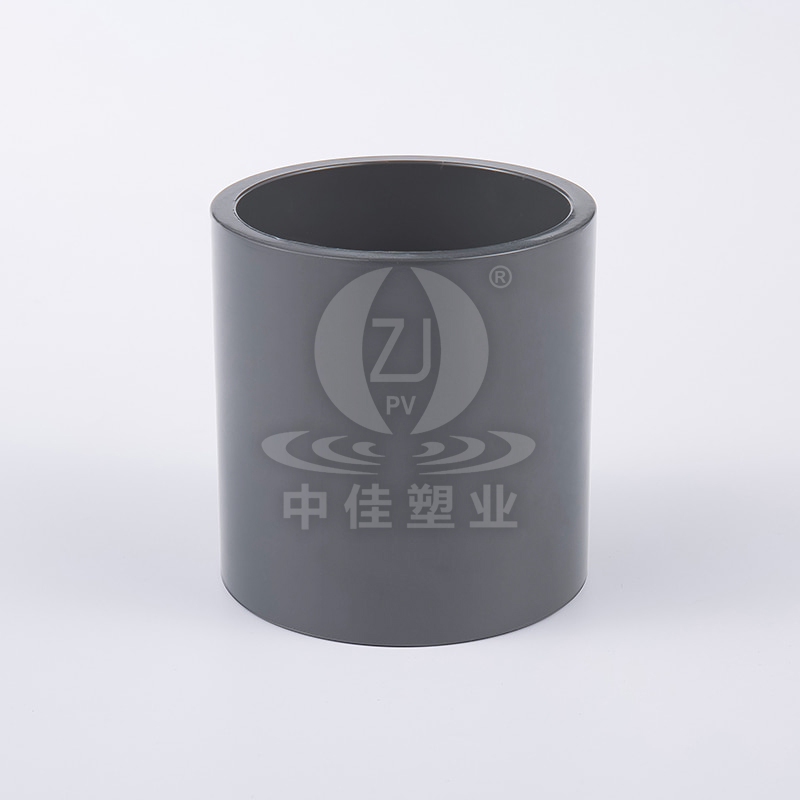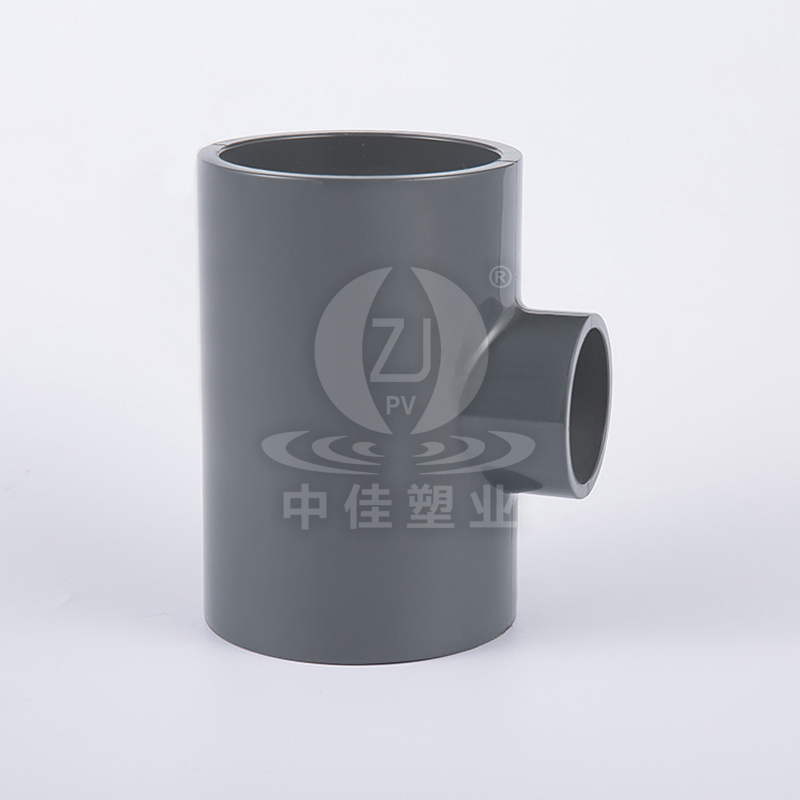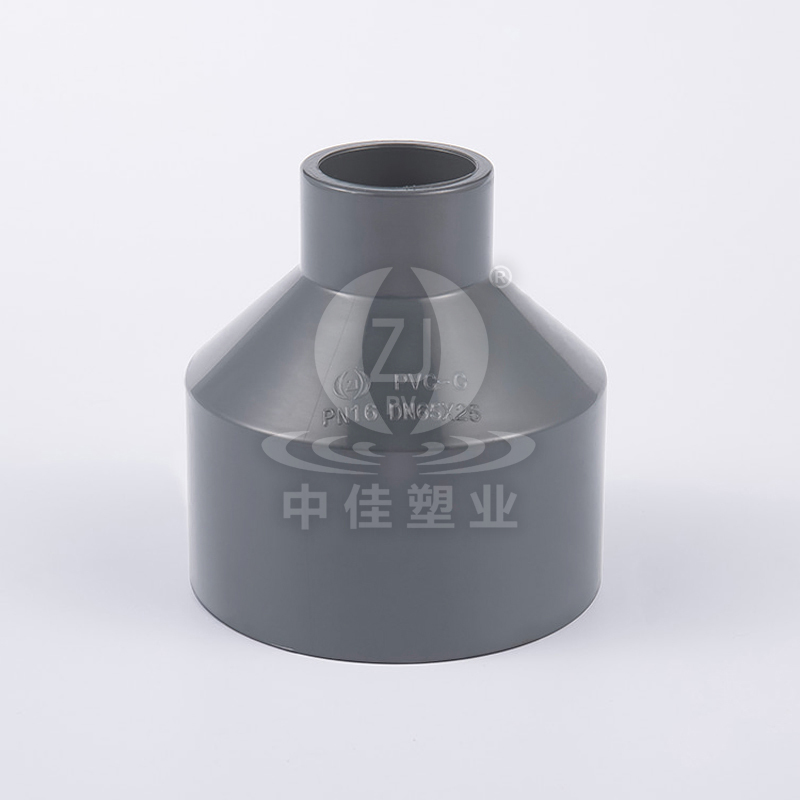




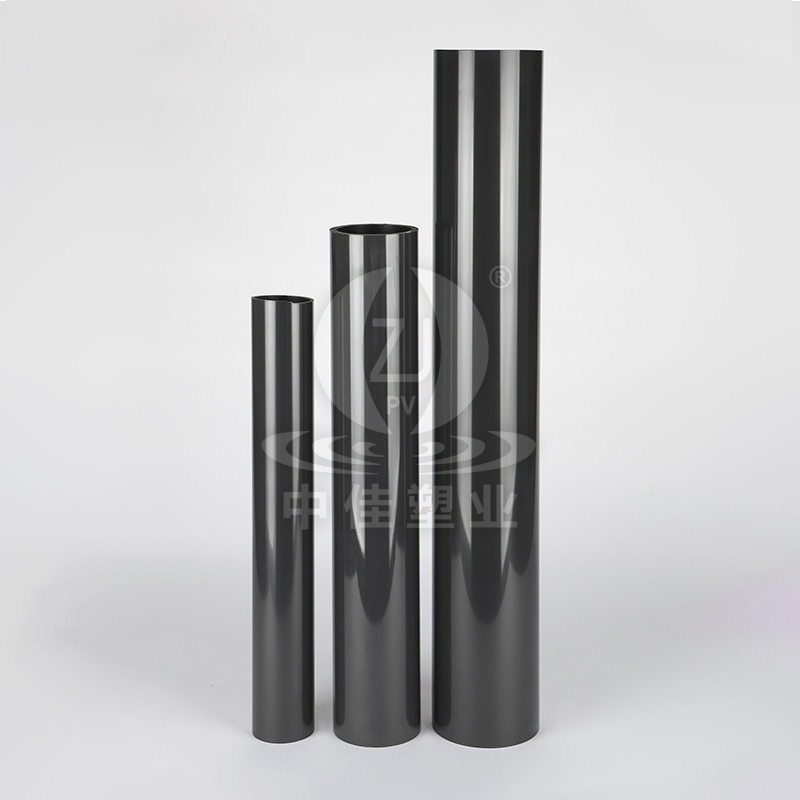
PVC-U S6.3 pipes are unplasticized polyvinyl chloride pipes classified under the standard dimension ratio system used to define pressure rating relative to pipe diameter and wall thickness. The "S6.3" designation refers to a specific series value derived from the standard dimension ratio, or SDR, which determines the pipe's pressure capacity and wall thickness relationship according to ISO and regional plumbing standards.
This series classification matters significantly during procurement because pipes with different series values but the same nominal diameter will have different wall thicknesses and, consequently, different pressure ratings. Specifying the correct series ensures the pipe matches the pressure demands of its intended application, whether that involves potable water supply, irrigation, or drainage systems.
PVC-U S6.3 pipes share several defining characteristics that make them suitable for pressurized water applications across residential, agricultural, and municipal projects.
The S6.3 series corresponds to a moderate wall thickness relative to pipe diameter, providing a balanced pressure rating suitable for many standard water supply applications without the added material cost of heavier-duty series designed for high-pressure industrial use.
Unplasticized PVC contains no added plasticizers, resulting in a rigid pipe structure that resists deformation under pressure while maintaining good chemical resistance against most substances commonly found in water distribution systems. This composition also contributes to the pipe's long service life when installed and maintained correctly.
The pressure rating and durability of PVC-U S6.3 pipes make them suitable for a range of water-related infrastructure projects where moderate pressure handling is required.
Understanding how the S6.3 series compares to other common series values helps clarify when it represents the right choice versus when a different rating suits the application better.
| Series | Relative Wall Thickness | Pressure Capacity | Typical Application |
| S20 | Thin | Low | Low-pressure drainage |
| S8 | Moderate | Moderate | General water supply |
| S6.3 | Moderate to Thick | Moderate to High | Pressurized water and irrigation |
| S5 | Thick | High | High-pressure distribution |
Proper installation significantly affects the long-term performance and reliability of PVC-U S6.3 pipes. Following established practices during trenching, jointing, and backfilling helps prevent premature failure and maintains the pipe's rated pressure capacity throughout its service life.
Pipes should rest on a uniform bedding layer free of sharp stones or debris that could puncture or stress the pipe wall over time. Trench depth must also account for local frost line requirements and expected surface loading to prevent damage from ground movement or vehicle traffic above buried sections.
Solvent cement welding and rubber ring push-fit joints represent the two most common jointing methods for PVC-U pipes. Solvent welding creates a permanent bond suitable for smaller diameters, while rubber ring joints allow slight flexibility and are often preferred for larger diameter lines subject to thermal expansion.
PVC-U pipes require careful handling during transport and storage to avoid surface scratches or impact damage that could weaken the pipe wall. Storing pipes on flat, level ground and avoiding excessive stacking height prevents deformation, particularly during warmer months when PVC becomes more susceptible to bending under its own weight.
Pipes should also be protected from prolonged direct sunlight exposure before installation, since extended UV exposure can gradually degrade surface properties even though PVC-U generally offers reasonable weather resistance compared to other plastic pipe materials.
Choosing PVC-U S6.3 pipes over other series ratings depends on the specific pressure demands and application context of the project at hand. Projects requiring moderate to high pressure handling, such as irrigation networks or municipal water supply lines, often find the S6.3 series offers a practical balance between material cost and performance capacity.
Consulting local plumbing codes and project engineering specifications before finalizing pipe selection helps confirm that the chosen series meets both regulatory requirements and the actual operating pressures the system will experience once installed and in regular use.

Sundan mo kami
PVC-U
Mga tubo ng PVC-U PVC-U Fittings para sa industriya PVC-U Fittings para sa supply ng tubig PVC-U PIPES ASTM D1785 PVC-U Fittings ASTM SCH80
Copyright © Changzhou Zhongjia Plastic Industry Co, Ltd.Nakalaan ang lahat ng mga karapatan.
 Mga tagagawa ng UPVC/CPVC Pipes


Copyright @ Changzhou Zhongjia Plastic Industry Co, Ltd.Lahat ng mga karapatan ay nakalaan.